Feeling Stuck in Therapy? How Intensives Can Help
How Therapy Intensives Help Break Through Emotional Blocks

When Insight Isn’t Enough
Many adults living with anxiety, perfectionism, or people-pleasing patterns reach a frustrating point in therapy:
You understand your patterns.
You can name your attachment style.
You know why you respond the way you do.
And yet — emotionally — nothing seems to shift.
If you’ve been feeling stuck in therapy, it’s important to know this:
This is not a lack of effort.
It’s not resistance.
And it’s not failure.
From a trauma-informed therapy perspective, feeling stuck is often a nervous system response. Your system may be protecting you from emotional experiences that once felt overwhelming, unsafe, or unsupported.
Intellectual insight is valuable. But healing requires emotional processing — and sometimes the format of weekly therapy doesn’t create enough space for that deeper work.
What Emotional Blocks Are
Emotional blocks are not character flaws.
They are protective nervous system strategies.
When experiences in our past felt too big, too fast, or too alone, our nervous systems adapted. We learned to:
Stay in our heads instead of our bodies
Numb certain emotions
Avoid vulnerability
Push through discomfort
Over-function or over-analyze
These strategies are intelligent. They helped you survive.
But over time, they can limit access to:
Core feelings
Early attachment wounds
Trauma memories
Bodily sensations connected to emotional truth
Emotional blocks often show up as:
“I know why I do this, but I can’t feel it.”
Numbness.
Getting close to emotion and then shutting down.
Talking about experiences without emotionally connecting to them.
Feeling like therapy is circling the same ground.
In trauma-informed therapy, we understand these blocks as protection — not avoidance.
Why Emotional Blocks Can Persist in Weekly Therapy
Weekly therapy is powerful and appropriate for many people. But it also has natural limits.
A 50–60 minute session often includes:
Settling in from the week
Updating about current stressors
Beginning to explore deeper material
And then… stopping
For adults with anxiety, perfectionism, or people-pleasing patterns, this start-and-stop rhythm can make it harder to access deeper emotional layers.
Here’s why:
1. Time Constraints
It can take 20–30 minutes just for the nervous system to settle enough to access vulnerable material. When the session ends shortly after that, the emotional arc is interrupted.
2. Repeated Emotional Braking
When deeper emotion begins to surface and the clock runs out, your system learns to anticipate interruption. Over time, it may avoid going there at all.
3. External Stressors
Between weekly sessions, work demands, relational stress, and daily life can reactivate protective strategies. The nervous system returns to survival mode before integration can fully occur.
None of this means therapy isn’t working. It may simply mean the format isn’t aligned with what your nervous system needs right now.
How Therapy Intensives Support Emotional Breakthroughs
Therapy intensives offer extended sessions — often several hours or multiple sessions across a day or weekend — creating a continuous arc of regulation, access, processing, and integration.
For clients who feel emotionally blocked, this format can make a meaningful difference.
1. Time for the Nervous System to Settle
In a longer session, there is space to:
Arrive fully
Regulate anxiety
Slow perfectionistic urgency
Move from thinking to feeling
Without watching the clock, the body has time to shift from protection into openness.
2. Accessing Deeper Emotional Layers
Once the nervous system feels steadier, deeper material often becomes accessible:
Early attachment experiences
Core shame narratives
Stored trauma responses
Grief, anger, or unmet needs
Modalities like EMDR intensives allow us to process trauma in a focused and contained way, rather than fragmenting the work across weeks.
3. Continuous Processing and Integration
One of the most powerful aspects of therapy intensives is the ability to complete an emotional cycle in one supported arc:
Access the emotion
Process it
Reframe and integrate
Ground and stabilize
Rather than opening something and pausing for seven days, the work can move toward resolution in real time.
4. Embodied, Experiential Depth
In my practice, therapy intensives may include:
EMDR therapy for trauma resolution
Nature-based intensives, where the natural environment supports nervous system regulation and perspective
Equine-assisted intensives, where work alongside horses offers immediate, relational feedback that helps illuminate attachment and emotional patterns
These formats engage more than cognition. They involve the body, the environment, and the relational field — all of which are central to trauma-informed therapy.
For adults who are used to managing everything through competence and insight, this experiential depth can unlock emotional movement that weekly talk therapy alone hasn’t accessed.
You’re Not Failing. Your System May Need a Different Pace.
If you’ve been feeling stuck in therapy, consider this:
What if you’re not blocked because you’re resistant…
but because your nervous system needs more time, more containment, or a different structure?
Emotional blocks are often signs of protection. And protection softens when the environment feels steady enough to allow it.
Is a Therapy Intensive Right for You?
If you:
Feel emotionally numb or disconnected despite insight
Notice that you “almost” get somewhere in therapy but can’t quite shift
Are tired of circling the same patterns
Want focused trauma processing
Long for deeper emotional movement
It may be worth reflecting on whether a different therapy format — like a therapy intensive — could better support your healing.
Your nervous system doesn’t respond to pressure.
It responds to safety, time, and attuned support.
If you’re curious about EMDR, nature-based, or equine-assisted therapy intensives, I invite you to reach out and explore whether this approach aligns with where you are right now.
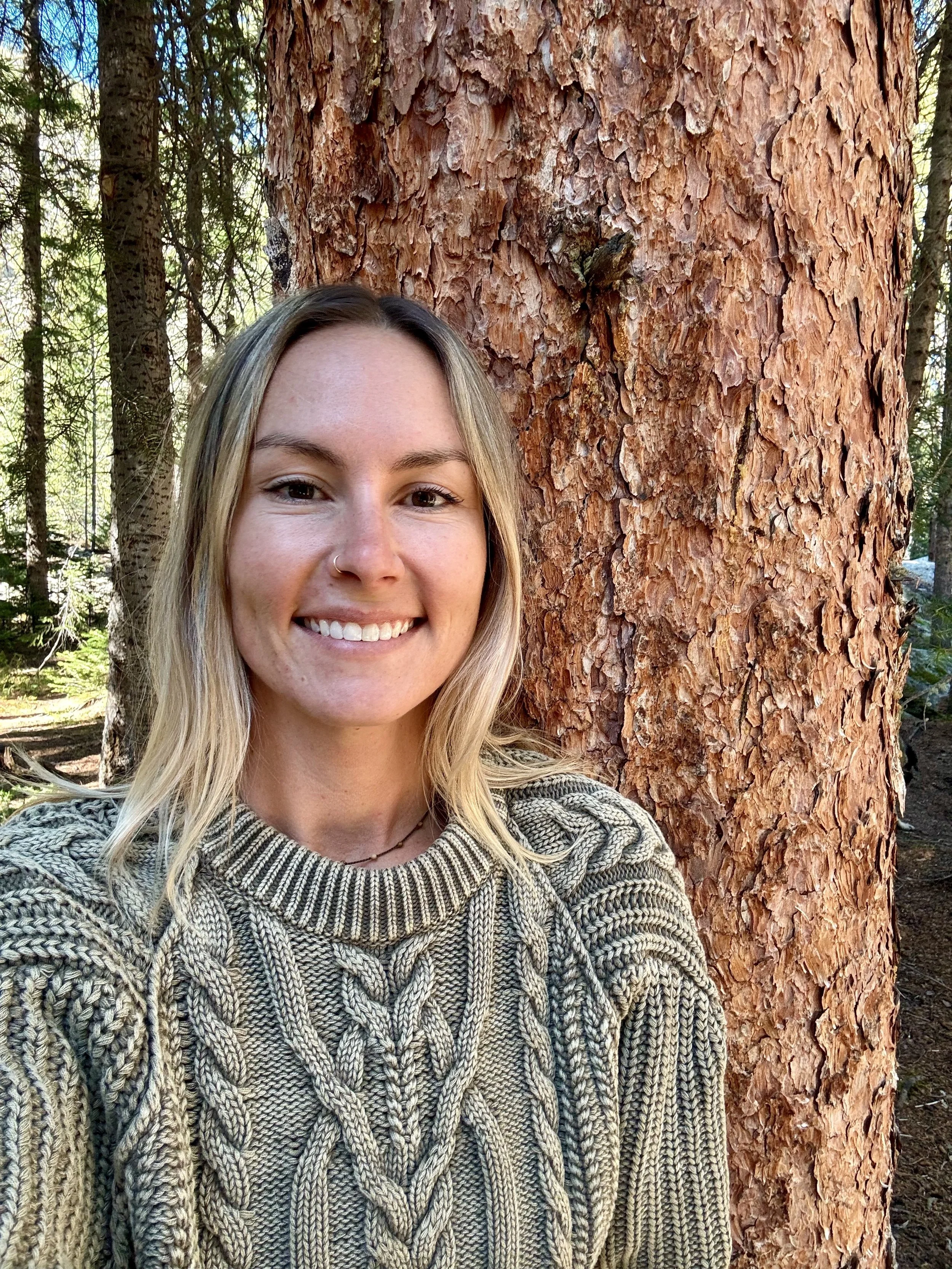
Sarah Bilinovich, LCSW is a licensed therapist based in Durango, CO. She specializes in therapy for women navigating anxiety, attachment and relationship challenges, trauma, self-esteem, life transitions, and spiritual growth. Sarah utilizes relational and experiential approaches including EMDR, attachment-based therapy, Gestalt therapy, equine-assisted psychotherapy, and nature-based therapy to help clients regulate their nervous systems, experience healthy relationship, and live with more authenticity and meaning. Sarah offers sessions in-office, online, outdoors and alongside horses in Bayfield & Durango, Colorado.